The changing story of the Tsitsikamma Marine Protected Area
64 Years under Protection
The Tsitsikamma Marine Protected Area, proclaimed in 1964, is South Africa's oldest marine protected area and one of the country's longest-running natural laboratories. Over more than six decades, researchers have studied its reefs, fishes and coastal ecosystems, building an exceptional body of knowledge on the ecological effects of long-term protection while also documenting the social challenges associated with restricted access to marine resources.
This presentation takes the audience on a journey through 64 years of marine science in Tsitsikamma. Using historical photographs, archival material and contemporary underwater footage, it traces how research questions, technologies and scientific understanding have evolved. From the pioneering days of SCUBA-based surveys and handwritten field notes to modern approaches such as baited remote underwater video systems (BRUVs), acoustic telemetry and long-term ecological monitoring.
Along the way, the presentation highlights some of the iconic species that have shaped research in the MPA, explores what we have learnt about reef ecology and fish life histories, and reflects on how the reserve has become a globally important reference site for marine conservation. This is the story of how protecting a place over decades has allowed knowledge to accumulate, revealing not only how ecosystems function, but also how conservation and society continue to evolve together.
ABOUT KYLE SMITH
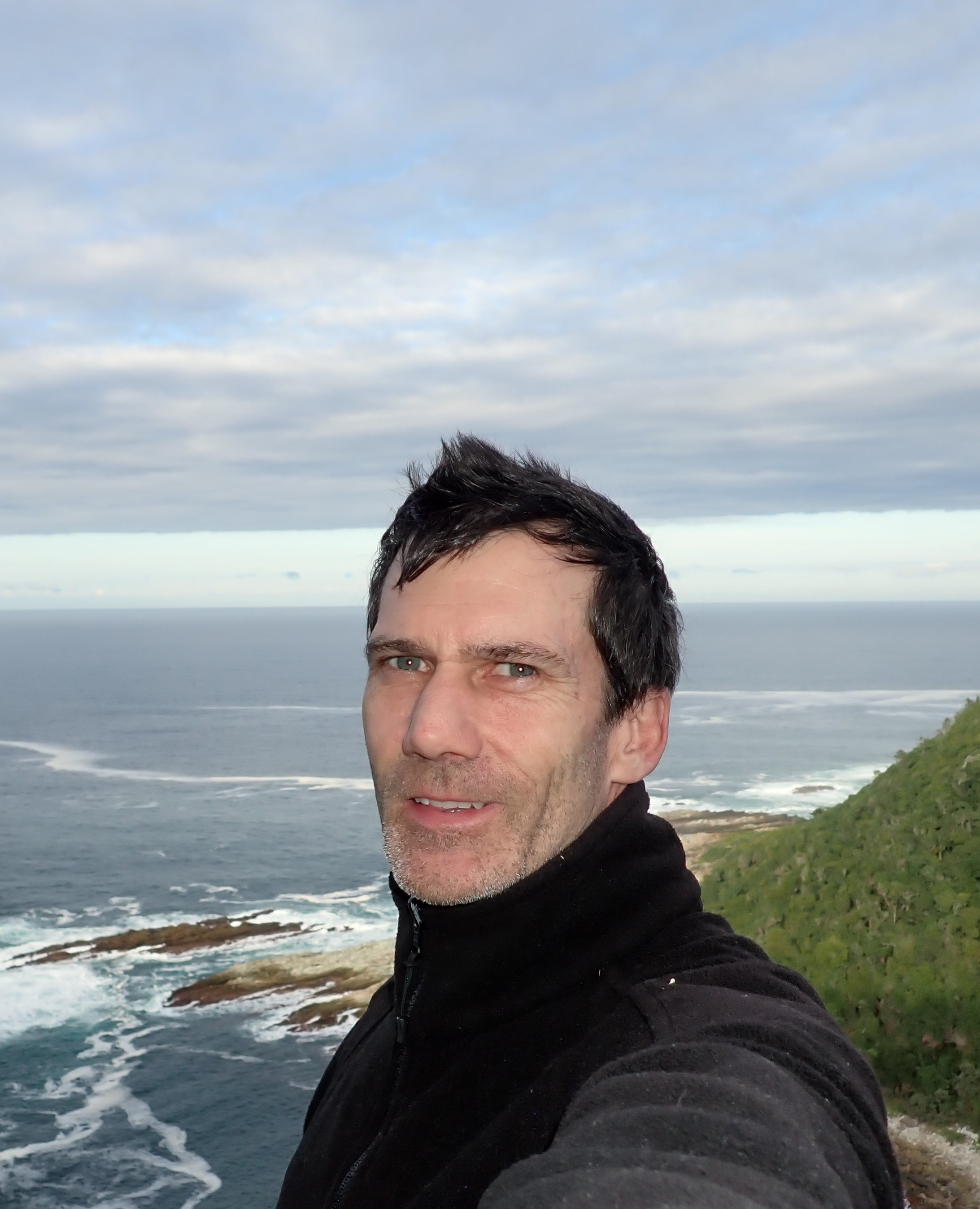
Kyle is a marine ecologist based at Rondevlei Scientific Services in the Garden Route, conducting applied social-ecological research in the marine and estuarine environments with a particular focus on recreational and subsistence fisheries, estuarine fish communities, and the effectiveness of marine protected areas.
Book Now
